Indonesia Needs To Raise Fuel Prices Before March; Bank Depu
• 13 Sep 2014
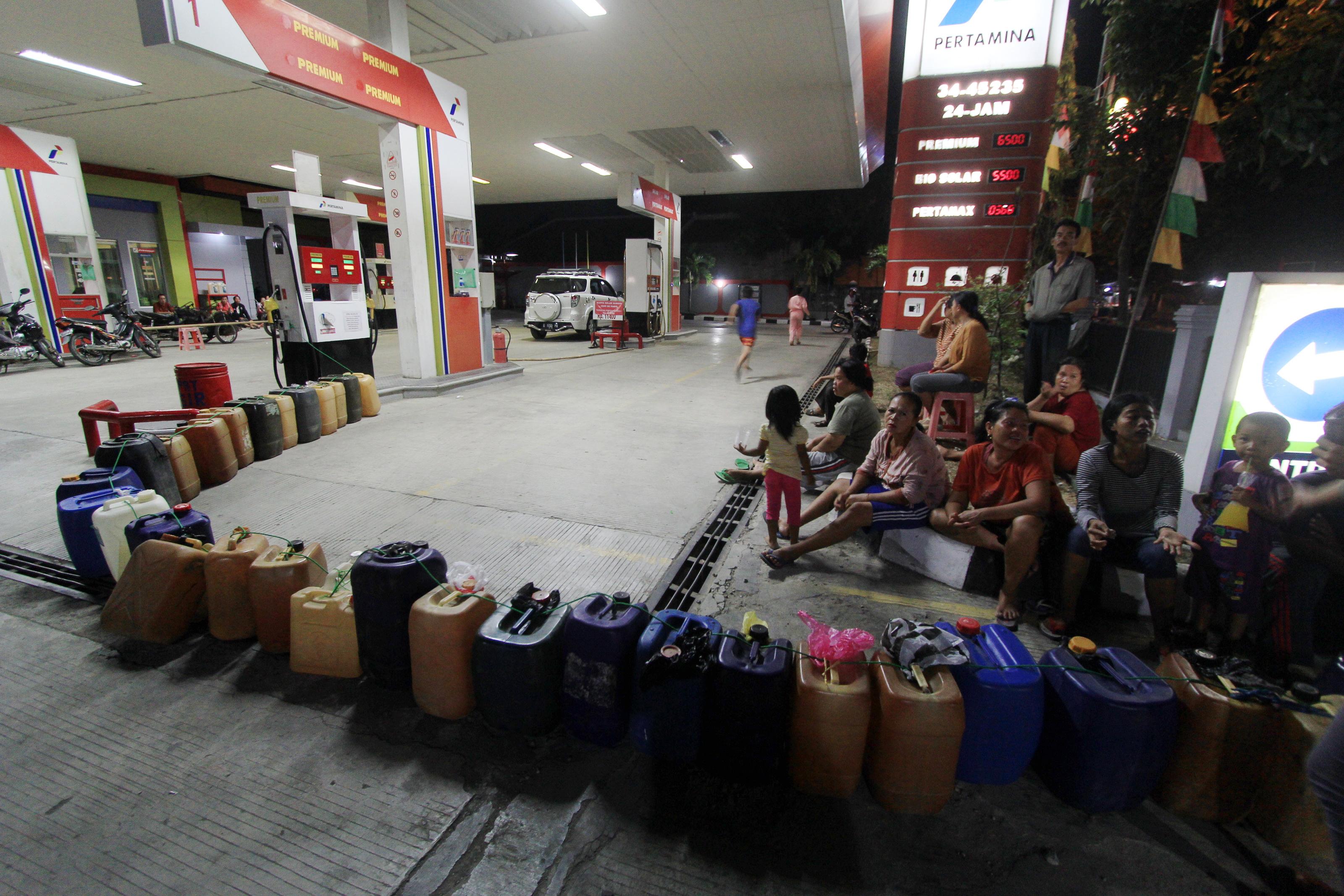
Sejumlah warga menunggu kiriman BBM jenis Premium dan Pertamax yang telah habis di salah satu SPBU di Jalur Pantura, Indramayu, Jawa Barat, Minggu (24/8) malam. (ANTARA FOTO/Dedhez Anggara)
The main reason behind a current account deficit, which is expected to exceed 3% of GDP this year
Bareksa.com - Indonesia needs to hike fuel prices before March and preferably by the end of 2014 to ease pressure on the current account and let the central bank focus attention on the weakening economy, a senior Bank Indonesia official said on Friday.
President-elect Joko Widodo, who takes office on Oct. 20, wants to fast-track a cut in fuel subsidies that are the main reason behind a current account deficit, which is expected to exceed 3 percent of gross domestic product this year.
"The (fuel price) rise should be in the fourth quarter... because the inflationary pressures are lower and there is still time before the Fed fund rate rises," deputy central bank governor Mirza Adityaswara told reporters.
He was referring to concerns that when the Federal Reserve starts to raise US interest rates, this could put pressure on emerging nations such as Indonesia.
Indonesian gasoline prices, which are among the cheapest in the world at 6,500 rupiah ($0.55) a litre, should be increased by 3,000 rupiah to have a "noticeable effect" on the current account deficit, Adityaswara said.
The central bank on Thursday kept its key interest rate steady at 7.50 percent, where it's been since November, to hold down the current account deficit.
Cost of Higher Rates
To contain the deficit and battle inflation, Bank Indonesia raised the benchmark by 175 basis points between June and November 2013.
But that has come at a cost. Southeast Asia's largest economy grew at 5.12 percent in the second quarter, the weakest pace since late 2009.
Gross domestic product is expected to remain steady at 5.1 percent in the third quarter, due to weakening domestic consumption, central bank governor Agus Martowardojo said on Friday.
Adityaswara said the central bank "is looking closely at weakening growth. If the decision to raise the fuel price happens quickly, Bank Indonesia will have more space in its monetary policy to respond."
Fuel subsidies cost the government about $20 billion a year, or nearly one-fifth of its budget, and economists say they mainly benefit the rich in Southeast Asia's largest economy.
But raising fuel prices is a sensitive issue that often sparks protests, like ones that contributed to the downfall of autocratic president Suharto in 1998.
Outgoing President Susilo Bambang Yudhoyono has refused Widodo's request to raise fuel prices before he leaves office. Indonesia last raised fuel prices in June 2013. (1 US dollar = 11,812 rupiah) (Source: Reuters)